For many football fans, the experience of watching a match in 2024 is far from a single-screen affair. The rise of second-screen matchday culture means it is increasingly common—almost expected—to watch the play unfold on TV or streaming while simultaneously scrolling through Instagram, checking live stats apps, or managing a fantasy football lineup. But is this divided attention just a passing fad, or a fundamental shift in football fan behavior?
In this post, we’ll explore the intertwining of football with social media, live analytics, and fantasy football. Highlighting data from Nielsen Sports and insights from MRQ (mrq.com), we’ll dive into how fans use second screens, what they check at critical moments like the 62nd minute, and why apps offering expected goals (xG) data, heat maps, and pressing analytics have become indispensable. Plus, we’ll touch on the role of Instagram memes and reactions, amply illustrated by RSplaneta’s images.
The Rise of Second-Screen Matchday Culture
larchmontla.comWatching football no longer means passively viewing the action with undivided attention. Second-screen usage—where fans engage with content on a mobile device or tablet while the main broadcast plays on TV—has become a defining trait of modern matchday rituals.
According to Nielsen Sports, the majority of football fans now engage with a second device during live games. Far from detracting from their experience, this behavior enhances engagement by providing complementary angles and deeper insights. Sports media editorials and MRQ's telephone-based quick deposits for fantasy football attest to a growing appetite for multi-tasking among fans.
- Live Stats Tracking: Apps deliver real-time numbers on possession, shots, pass accuracy, and player heat maps. Advanced Analytics: Expected goals (xG), pressing efficiency, and defensive blocks become talking points, adding layers of understanding. Social Media Interaction: Platforms like Instagram host a flood of memes, fan reactions, and influencer commentary that capture the emotional rollercoaster of match events. Fantasy Football Management: Close monitoring of player performance and transfer decisions happen in tandem with watching the match.
Why Second Screens? The Psychology of Divided Attention
Why do fans split their attention? It’s not simply distraction; it’s participation. The second screen converts passive watching into an active social and analytical experience. At key moments—goals, controversial decisions, tactical shifts—fans instinctively check stats apps to validate what they see. They scroll Instagram to catch witty memes that capture the moment’s emotion better than a highlight reel. The second screen fills in information gaps and amplifies the fan’s emotional investment.
Live Stats Apps and the Power of Analytics
One of the most significant shifts in fan consumption habits is the use of specialized live stats apps. These tools provide live updates on crucial game metrics:
Metric Description Why Fans Check It Expected Goals (xG) Measures the quality of shots and likelihood to score. Helps fans understand whether a team is creating real chances or just firing blind shots. Heat Maps Tracks player positioning and movement patterns. Reveals tactical setups and pressing intensity. Pressing Data Quantifies how effectively a team pressures opponents. Provides insight into team energy and strategic intent.From MRQ’s innovation in seamless phone deposits for fantasy football betting to Nielsen Sports reports highlighting fan preferences for transparency and data, it’s clear that the modern fan appreciates analytics to validate their emotions and arguments during match debates. Live stats apps enrich the viewing experience by furnishing context beyond what TV pundits provide.
“Things Fans Check at 62 Minutes”: A Running List
An editor’s secret: many fans maintain mental or written checklists of what to look for at around 62 minutes into a match. This time slot often represents the period when fatigue sets in, substitutions impact the game, or crucial tactical changes unfold.
- Player heat maps showing shifts in pressing intensity. Real-time xG trends indicating which team has the edge. Social media reactions capturing instant fan sentiment. Fantasy football updates affecting transfer or captain choices.
This deliberate, multi-faceted checking shows a blend of analytical curiosity and social connectivity that defines modern second-screen football viewing.
Real-Time Social Media Reactions and Instagram’s Role
Instagram, as a visual and social app, is uniquely positioned to capture and amplify the highs and lows of fan experience during matches. Users flock to Instagram stories, threads, and reels to share memes, gifs, and commentary that often carry more emotional truth than traditional broadcasts.
The RSplaneta image credit demonstrates how impactful these user-generated visuals are, offering quick, relatable summaries of complex moments in football that fans love to share and discuss. This communal engagement generates a dynamic “watch party” atmosphere even among physically dispersed audiences.
Instagram stories and posts frequently spark secondary narratives such as:
Humorous takes on refereeing decisions. Reactions to tactical gambles by managers. Celebrations and frustrations that mirror supporters’ real-time emotions.Unlike vague claims that “fans love data,” we see tangible evidence: fans use Instagram during matches to both share feelings and consult crowd-sourced insights. The social platform complements and enriches the statistical apps, creating a fully immersive second-screen ecosystem.
Fantasy Football as a Second-Screen Driver
Many fans watch with one eye on their fantasy football apps because their real-world team results directly influence their virtual points and rankings. MRQ’s expertise in making fast, secure deposits by phone reflects this intense overlap of entertainment and personal investment.
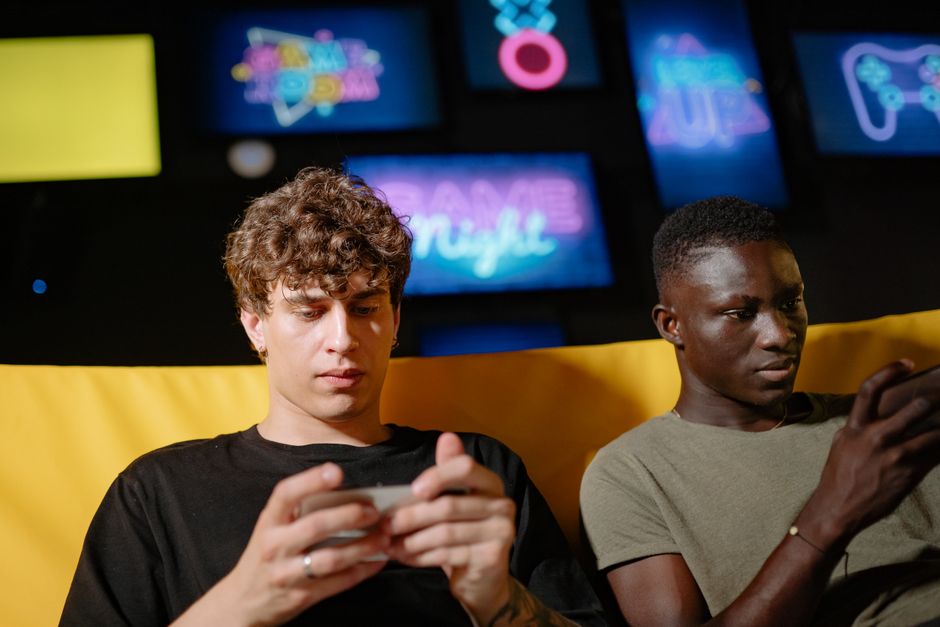
Fantasy managers track players’ touches, goals, assists, and even pressing data live, often reacting immediately to substitutions or tactical changes shown on stats apps. This creates a feedback loop: real-world performance influences fantasy scores, which in turn shapes fan emotions and engagement.
How Fantasy Football Shapes Viewing Habits
- Encourages attention to less-celebrated players who may score or assist unexpectedly. Increases the use of second screens to catch player stats missed by TV broadcasts. Boosts interaction on social media as managers share picks, warn or congratulate each other.
Thus, fantasy football is a powerful motivator for the second screen habits that define contemporary football fan behavior.

Conclusion: No, It’s Not Just Normal—It’s the New Normal
Watching football with one eye on Instagram and another on live stats apps or fantasy football dashboards is not just normal—it’s the definitive matchday experience for millions of fans worldwide. The integration of second-screen tools enriches, informs, and socializes the game in ways traditional viewing never could. Thanks to detailed data from Nielsen Sports, innovations from MRQ, and vibrant fan content on Instagram supported by creators like RSplaneta, football fandom is evolving into a richly interactive, multi-dimensional spectacle.
So next time you catch yourself toggling between a pressing map, an xG chart, a fantasy app, and an Instagram meme mid-match, rest assured: you’re fully participating in the future of football’s fan culture.